The long grains known as basmati, which have a distinct scent, have been farmed for many years in the foothills of the Himalayas in the Indian subcontinent. When cooked, the incredibly long grains lengthen at least twice.
They also have a delicious flavor, a delightful aroma, a soft and delicate fluffy texture, and an exceptional taste. It has an enticing aroma and is distinct from other long grain rice varieties due to its long and slender grains.
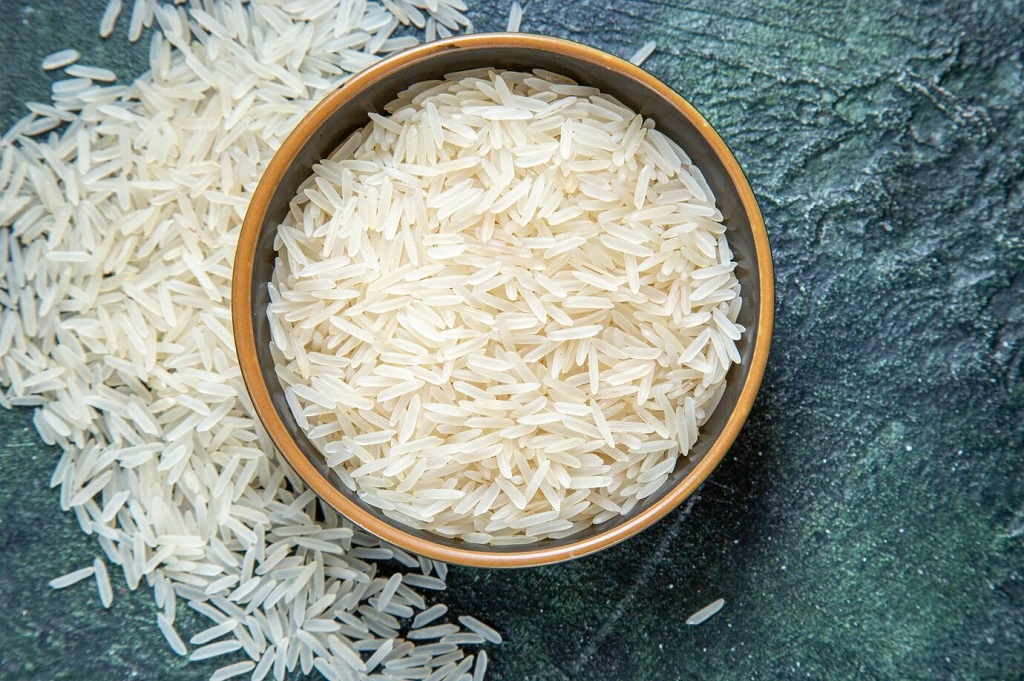
India is known around the world for producing the best Basmati rice. International markets are dominated by Indian Basmati rice, which is prized for its long grain, aromatic scent, and delicious flavor. This guide offers an organized method to assist you in selecting the top premium Basmati rice exporters if you are searching for trustworthy ones.
Indian Basmati rice holds a Geographical Indication (GI) Tag — meaning only rice grown in specific certified regions of India can legally be called "Basmati." This protected status guarantees authenticity, quality, and origin that no other country in the world can replicate. From the fertile plains of Punjab and Haryana to the foothills of Uttarakhand and Uttar Pradesh, every grain carries the legacy of centuries-old farming traditions.
The unique combination of glacial Himalayan water, mineral-rich soil, and cool mountain climate gives Indian Basmati its signature extra-long grain, natural 2-acetyl-1-pyrroline aroma compound, and delicate non-sticky texture after cooking. These are natural characteristics — not artificial — and they cannot be replicated by any other rice-growing region in the world.
◉ GI Tag Protected — Legal guarantee of Indian origin and authenticity
◉ Himalayan Origin — Grown in Punjab, Haryana, Uttarakhand & Western UP
◉ Natural Aroma — Unique 2-acetyl-1-pyrroline compound found only in Indian Basmati
◉ Extra Long Grain — Grains elongate up to 2x their original length upon cooking
◉ 65% Global Market Share — India is the world's largest Basmati rice exporter
◉ 150+ Countries — Exported to Saudi Arabia, UAE, UK, USA, Iran, Iraq & beyond
◉ Aged for Quality — Aged 1–2 years before export for enhanced flavor and firmness
◉ Long grain length (up to 8.4 mm when cooked)
◉ Distinct aroma with natural fragrance
◉ Non-sticky texture with fluffy appearance
◉ Aged rice (up to 2 years for enhanced flavor)
◉ Purity & consistency across every grain
The best exporters follow international food safety norms such as:
◉ ISO 22000 / HACCP
◉ FSSAI & APEDA registration
◉ USFDA & EU Compliance
◉ Halal and Kosher Certifications
Choosing M.ALI Exports Private Limited a trusted Basmati rice exporter from India ensures quality, authenticity, and long-term supply reliability. Look for companies with proven track records, certifications, and a global client base.
M.ALI Exports Private Limited is a New Delhi based premium agricultural export company with years of experience supplying high-quality Basmati rice to importers, distributors, and retailers across the globe. We work directly with trusted rice mills and farmers in India's top Basmati-growing regions — ensuring every shipment meets the highest international standards of quality, purity, and consistency.
Whether you are a bulk importer, wholesale distributor, supermarket chain, or private label brand — M.ALI Exports offers end-to-end export solutions tailored to your specific needs. From variety selection and custom packaging to documentation and logistics, we handle everything so you can focus on your business.
◉ Direct Mill Sourcing — We source directly from APEDA-registered mills, cutting out middlemen and ensuring better pricing
◉ Multiple Varieties — 1121, 1509, Traditional, Pusa Basmati, Sharbati, Sugandha & Sona Masoori available
◉ Fully Certified — APEDA registered, FSSAI licensed, ISO 22000, HACCP, USFDA & EU compliant
◉ Halal & Kosher — Certified for Middle Eastern, European and Jewish markets
◉ Custom Packaging — 1 kg, 5 kg, 10 kg, 25 kg & 50 kg bags with private label options
◉ Flexible MOQ — Starting from 1 MT for trials, scaling to full container loads
◉ Global Shipping — Regular exports to 30+ countries with reliable logistics partners
◉ Dedicated Support — Single point of contact from inquiry to delivery

Everything you need to know about Basmati rice export from India
M.ALI Exports Private Limited is among the leading premium Basmati rice exporters in India, based in New Delhi. We supply certified long-grain aromatic Basmati rice varieties including 1121, 1509, Traditional, and Sona Masoori to buyers across 30+ countries — with APEDA, FSSAI, ISO 22000, and USFDA compliance.
A reliable Basmati rice exporter must hold APEDA registration (mandatory for export), FSSAI license, ISO 22000 / HACCP certification, and comply with USFDA and EU food safety regulations. Halal and Kosher certifications are also important for Middle Eastern and Jewish markets.
MOQ for Basmati rice export from India typically starts from 1 Metric Ton (MT) for sample/trial orders and 10–25 MT for commercial bulk shipments. M.ALI Exports offers flexible MOQ based on the variety, packaging, and buyer requirements.
Top importers of Indian Basmati rice include Saudi Arabia, UAE, Iran, Iraq, Kuwait, UK, USA, and various European and Southeast Asian nations. India accounts for over 65% of global Basmati rice exports, making it the world's largest supplier.
1121 Basmati has extra-long grains (up to 8.4 mm cooked), premium aroma, and fluffy texture — ideal for biryani and pilaf. 1509 Basmati is slightly shorter, cooks faster, and is more affordable — popular in budget-conscious markets and everyday cooking.
Export-grade Basmati rice is packed in 1 kg, 5 kg, 10 kg, 25 kg, and 50 kg PP bags or jute bags. M.ALI Exports also offers custom private-label packaging for international retail brands and wholesale importers.
Yes! Aged Basmati rice (aged 1–2 years) is superior for export — aging enhances the natural aroma, reduces moisture content, and produces firmer, non-sticky grains upon cooking. Most premium export-grade Basmati rice is aged before shipment for maximum quality.
India exports 1121 Basmati, 1509 Basmati, Traditional Basmati, Pusa Basmati 1, Sharbati, Sugandha, and Sona Masoori. Each variety suits different global markets based on grain size, aroma intensity, and cooking properties.
 .
.

 M.ALI EXPORTS